When Was the Last Time Your Electrical Protection System Was Professionally Tested?
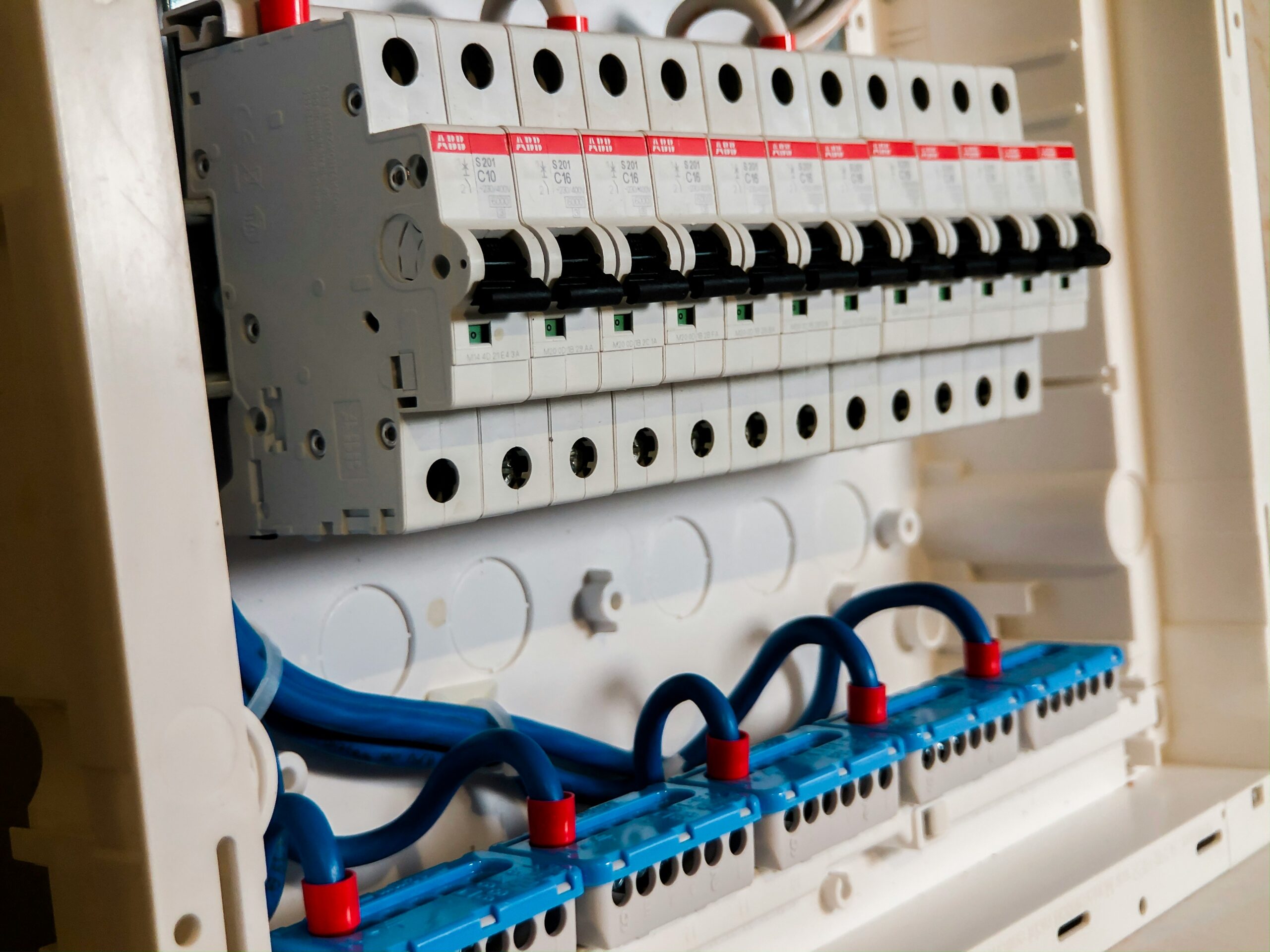
When did you last look at your switchboard? Not just glance at it. Actually think about whether the safety switches inside would work if something went wrong.
Your RCD safety switch is like a quiet bodyguard for your home’s electricity, it works behind the scenes to stop dangerous shocks and fires. But just like a smoke detector, it won’t work forever. If it breaks down, you could be at risk without even knowing it.
In Australia, faulty wiring and electrical mishaps cause hundreds of injuries and house fires every year. Since RCDs are required by law in all homes, knowing when yours needs a check-up isn’t just smart, it could save your life.
Let’s look at the 5 clear warning signs that your RCD might be failing. Whether you’re a homeowner, renter, or tradie, this guide will help you spot trouble before it sparks disaster.
What’s Happening?
RCDs trip when they detect current leakage (usually 10–30mA). Occasional trips during storms or appliance use are normal, but weekly or daily tripping with no obvious cause is a major red flag.
Possible Causes:
Real-Life Example:
A plumber Gold coast family ignored monthly RCD trips for a year. An electrician later found water ingress in a backyard power point, a fault leaking 25mA, enough to electrocute someone using garden tools.
What to Do:
Pro Tip: Keep a log of trips, note dates, times, and weather conditions. Patterns help electricians diagnose issues faster.
Why This is Dangerous:
A healthy RCD resets with a firm click. If it won’t stay up, it’s either:
Emergency Steps:
Case Study:
In Gold Coast, a rental property’s RCD failed to reset. The electrician gold coast discovered exposed wires in the roof cavity from a possum infestation. The landlord faced a $15,000 fine for neglecting mandatory safety checks.
Why This is Critical:
These signs indicate overheating components, often due to:
Immediate Actions:
Did You Know?
A 2023 report by Energy Safe Victoria found that 35% of electrical fires started in switchboards with outdated or damaged RCDs.
How Testing Works:
Pressing the TEST button simulates a 30mA leakage. A working RCD should cut power instantly.
Interpreting Results:
Result | Meaning |
RCD trips | Working correctly |
No trip | Dead RCD—replace immediately |
Main power cuts entirely | Faulty installation—call electrician |
Step-by-Step Testing Guide:
Pro Tip: Test during daylight to avoid being stranded in the dark. If the test fails, replace the RCD within 24 hours.
Why Age Matters:
Replacement Guidelines:
|
Age |
Risk Level |
Action |
|
0–5 years |
Low |
Test every 3 months |
|
5–10 years |
Moderate |
Annual professional inspection |
|
10+ years |
Critical |
Replace immediately |
Cost Breakdown:
Not all Australian homes face the same environmental stress. In Queensland especially across the Gold Coast, RCDs often work harder and age faster than homeowners realise.
High humidity, salt air in coastal suburbs, and frequent summer storms all contribute to accelerated wear inside switchboards. Moisture doesn’t need to be visible to cause damage. Over time, humidity can corrode terminals and internal mechanisms, increasing resistance and heat inside the device.
Heat is one of the biggest enemies of electrical components.
During storm season, voltage spikes and lightning-related surges can also strain older RCDs. Even if the device doesn’t fail immediately, repeated surge exposure gradually weakens its internal trip mechanism. The result? An RCD that appears fine until the exact moment you need it most.
Rental properties face additional risk.
Under Queensland legislation, landlords are required to ensure safety switches are installed and functioning on all required circuits. If an RCD fails and it’s proven that regular testing or maintenance was neglected, landlords may face significant penalties, especially if injury occurs.
For homeowners, insurance implications are equally important. If an electrical fire investigation reveals a failed or non-compliant RCD, insurers may assess whether the system met current standards. In some cases, outdated switchboards without proper RCD coverage can complicate claims.
Modern homes also draw more power than they did 10–15 years ago.
Air conditioning systems, EV chargers, pool equipment, home offices, and induction cooktops all increase circuit demand. Older RCDs weren’t always designed to handle these loads continuously. Upgrading ensures not only compliance with AS/NZS 3000:2018 standards but also long term reliability.
In coastal regions like the Gold Coast, proactive RCD testing and timely replacement are not overreactions, they are smart preventive maintenance.
Do’s:
Don’ts:
Case 1: The Near Miss in Adelaide
A tradie’s RCD failed during a bathroom reno. When he nicked a live wire, the RCD didn’t trip, he received a 230V shock but survived. Post-inspection revealed the RCD was 14 years old.
Case 2: The Darwin Holiday Home
A family’s RCD tripped daily during the wet season. An electrician found moisture in outdoor sockets from monsoon rains. The fix: weatherproof RCD sockets and a switchboard cover.
Your RCD is only as good as its last test. In a country prone to harsh weather, DIY culture, and aging infrastructure, proactive maintenance isn’t optional, it’s a lifesaver. For less than the cost of a weekend getaway, you can ensure your family, home, and tenants are protected from invisible dangers.
Don’t wait for a near fatal shock or a midnight fire. Test your RCD today, book that electrician, and rest easy knowing your safety net is intact.
Notice any warning signs? Act now, your life could depend on it
Coastal climates expose electrical components to humidity and salt laden air. Over time, corrosion can develop inside switchboards, affecting RCD sensitivity and reliability. Regular testing is especially important in coastal areas like the Gold Coast, where moisture levels remain high year-round.
Indirectly, yes. A failing RCD may not trip efficiently, allowing earth leakage faults to persist. Leakage current can increase energy waste and place stress on wiring. More importantly, it compromises safety, which is the greater concern.
In Queensland, rental properties must have compliant safety switches installed. While legislation does not always mandate quarterly testing by tenants, landlords are responsible for ensuring RCDs are operational and meet safety requirements. Many property managers schedule routine electrical inspections to reduce liability.
Penalties vary by state, but fines can reach tens of thousands of dollars if non-compliance leads to injury or fire. In serious cases, prosecution is possible. Beyond fines, insurance complications and civil liability pose significant financial risks.
Check local e-waste programs. Some brands (like First Alert) offer recycling.
When did you last look at your switchboard? Not just glance at it. Actually think about whether the safety switches inside would work if something went wrong.
Storm season on the Gold Coast can arrive fast. One moment the sky is clear, and the next it turns dark and still.
Gold Coast homeowners are embracing smart renovation ideas that improve lifestyle and add real value. From modern….
A well-designed shed fit out can turn an unused space into a practical home office or multipurpose room. With the right….