Home Electrical Safety Guide for Australian Homes: Risks, Safety Tips & Upgrades

Electrical System installation

Most house fires and electrical accidents in Australian homes can be prevented. The problem is, many people simply don’t know what to look for.

This guide is for homeowners who want to keep their family safe. It covers the most common electrical risks, the safety devices every home should have, and when it’s time to upgrade old systems. No technical terms. Just clear, practical advice.

Why Electrical Safety Matters in Australian Homes

Australia has some of the strictest electrical safety rules in the world. But rules don’t mean much if your house still has old gear or you’ve never had an inspection.

Our homes are different too. We’ve got lots of timber frames, bushfire risks in some areas, and summers that make appliances work hard. Plus, more people are working from home, running computers, air conditioners, and home offices all at once. That puts a strain on older wiring.

The good news? Most electrical accidents are preventable. A few simple checks and upgrades can make your home so much safer.

Smoke Alarms: Don't Mess Around With These

I reckon I talk about smoke alarms more than anything else. And there’s a reason. I’ve been to house fires where people got out because an alarm went off. I’ve also been to ones where there were no working alarms. The difference? One group lived. The other didn’t. It’s that simple.

Where to Put Them

Where you stick your smoke alarms matters just as much as having them. Here’s the short version:

Why Bother?

People ask me, “Do I really need them?” Yeah, you do

Getting proper benefits of smoke alarm installation isn’t just ticking a box. It’s protecting your family.

Smoke Alarm Safety for Families

If you’ve got kids, elderly parents, or anyone who might not wake up easily, you need to think differently.

For smoke alarm safety for families, it’s all about planning ahead. Don’t wait until there’s smoke.

RCD Safety Switches: The Thing That Stops You Getting Zapped

Switchboard upgrades

You’ve probably heard the term “safety switch” or “RCD.” They’re the devices in your switchboard that cut power in a fraction of a second if they detect a fault. They can literally save your life.

RCD Switch Installation Guide

If your switchboard doesn’t have RCDs, you’re living with a risk you shouldn’t have to. Here’s what you need to know:

I’ve done hundreds of RCD installations. People often say, “I didn’t realise it was that easy.” It’s not expensive compared to the peace of mind.

5 Signs RCD Needs Replacement

Like anything, RCDs wear out over time. They can also get damaged by lightning strikes or power surges. Here are 5 signs RCD needs replacement:

  1. It trips for no reason.If your safety switch keeps tripping and you’ve unplugged everything, it might be faulty.
  2. It doesn’t trip when tested.Every RCD has a test button. Push it once a month. If it doesn’t trip, it’s not working.
  3. It’s over 10 years old.RCDs have a lifespan. After a decade, consider replacing them.
  4. It looks burnt or melted.Obvious, but if you see any damage, get it replaced immediately.
  5. It feels loose or the switch is hard to move.That’s a sign of internal wear.

If any of these sound familiar, call an electrician. A faulty RCD is worse than no RCD it gives you false security.

Old Switchboards: Why They’re a Fire Hazard

I walk into a lot of houses that still have switchboards from the 1970s or 80s. Sometimes older. And I always have the same conversation.

Why Old Switchboards Are a Fire Hazard

Old switchboards weren’t built for modern life. Here’s the problem:

When I explain why old switchboards are a fire hazard, people often say, “But it’s worked fine for years.” That’s exactly the problem. It’s not fine it’s just waiting.

Switchboard Upgrade Warning Signs

You don’t need to be an electrician to spot trouble. Here are switchboard upgrade warning signs:

If any of these sound like your place, get a licensed electrician to do a safety check. Upgrading a switchboard is one of the best investments you can make.

Simple Safety Tips for Every Home

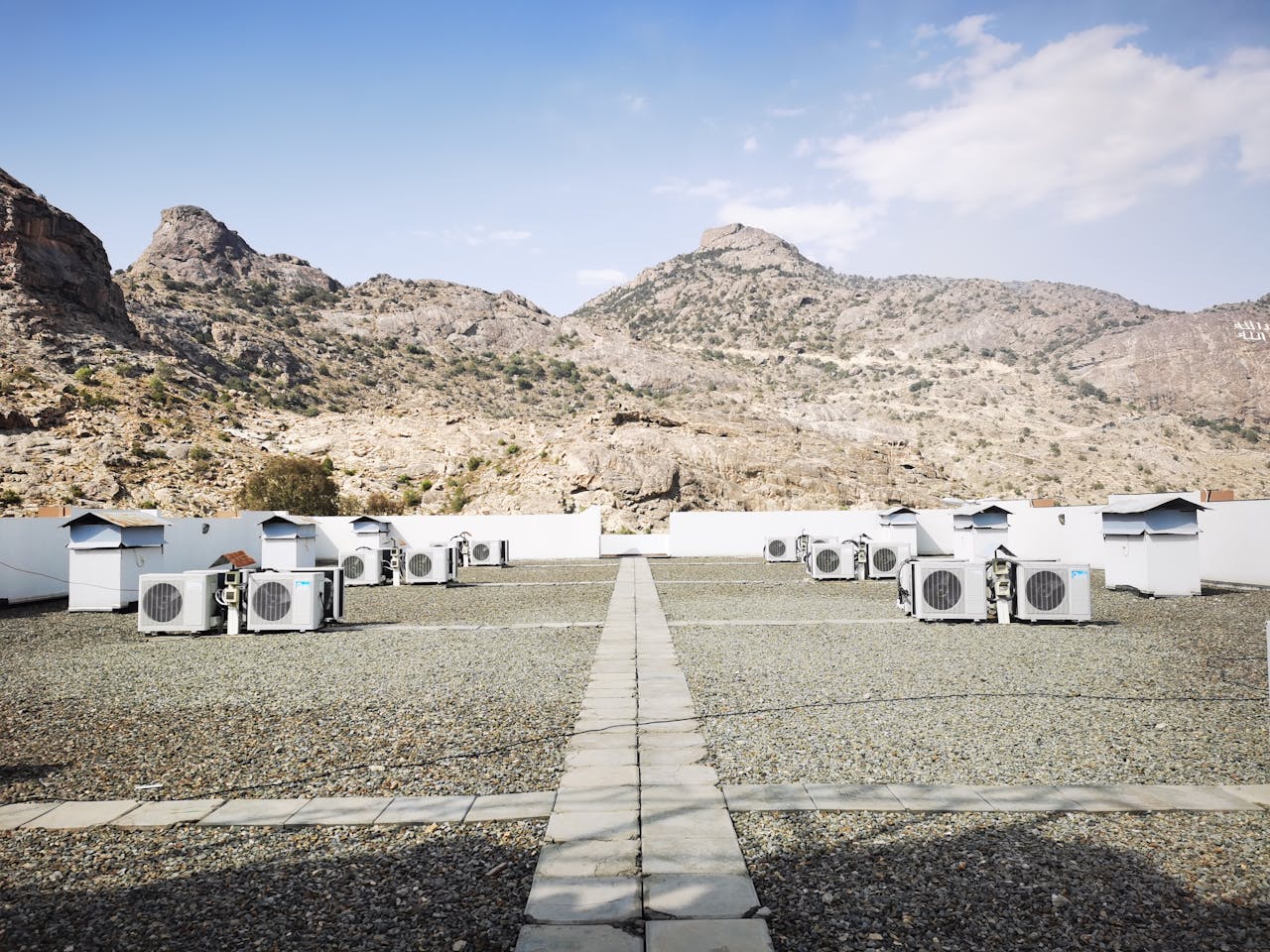
Air con installation

Apart from smoke alarms and RCDs, here are some everyday things that make a big difference.

Quick Key Takeaways

FAQS

Hallways between bedrooms. Every level of the house. Inside bedrooms if you sleep with the door shut. Keep them away from the kitchen and bathroom, or they’ll go off every time you cook or shower.

You can, but a pro knows the rules. They’ll put them in the right spots, wire them properly, and make sure they talk to each other if they need to. That matters.

Once a month. Push the button. If it doesn’t beep, something’s wrong. Change batteries once a year. Replace the whole alarm every 10 years.
It watches for electricity leaking out. If it senses power going somewhere it shouldn’t like through you it shuts off in a split second. Stops you from getting zapped.

It trips for no reason. You press the test button and nothing happens. It’s over 10 years old. Or it looks melted or burnt.

They’ve got ceramic fuses, not breakers. No safety switches. Wires come loose over time. And they weren’t made for modern houses with air cons, home offices, and big fridges. That’s how fires start.

You’ve still got ceramic fuses. The switchboard feels warm or makes buzzing noises. Breakers trip all the time. It looks rusty or damaged. Or you’re putting in a new air con or kitchen and the old board just can’t handle it.

Wrapping It Up

Look, don’t leave this stuff to chance. Smoke alarms and RCDs are your best mates when it comes to keeping your family safe. But only if they’re in the right spots, working properly, and not older than your kids.

Take an hour this weekend. Walk around. Test your alarms. Test your RCDs. Pop open the switchboard and have a look. If anything looks old, feels warm, or just makes you go “hmm,” call Tim Bradley Electrical.

A few small checks now can save you from a disaster later. I’ve seen it happen. Don’t let it be you

Recent Post