
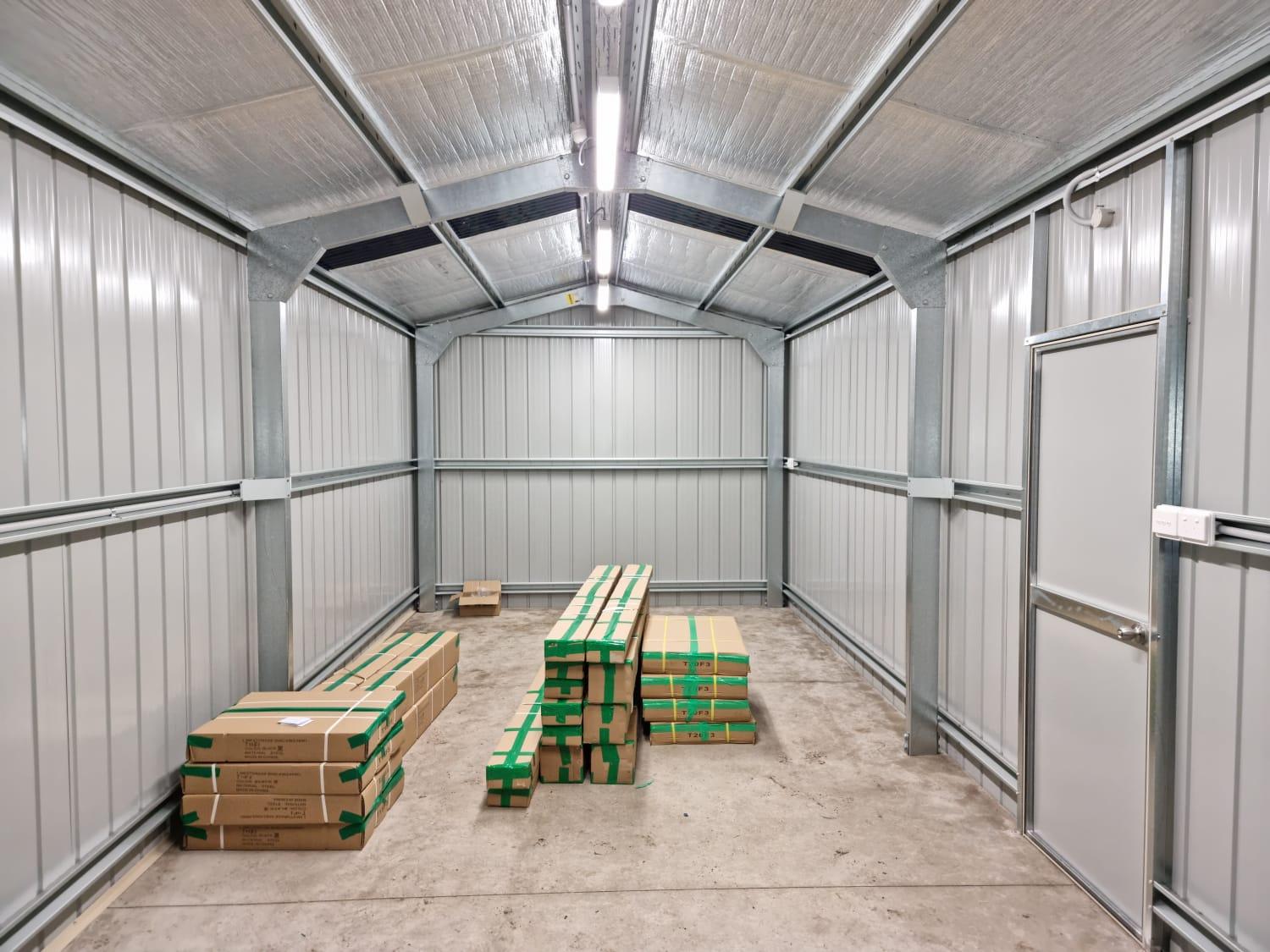
Why Every Gold Coast Shed Needs More Than an Extension Cord
Are you relying on an extension cord to power your shed?
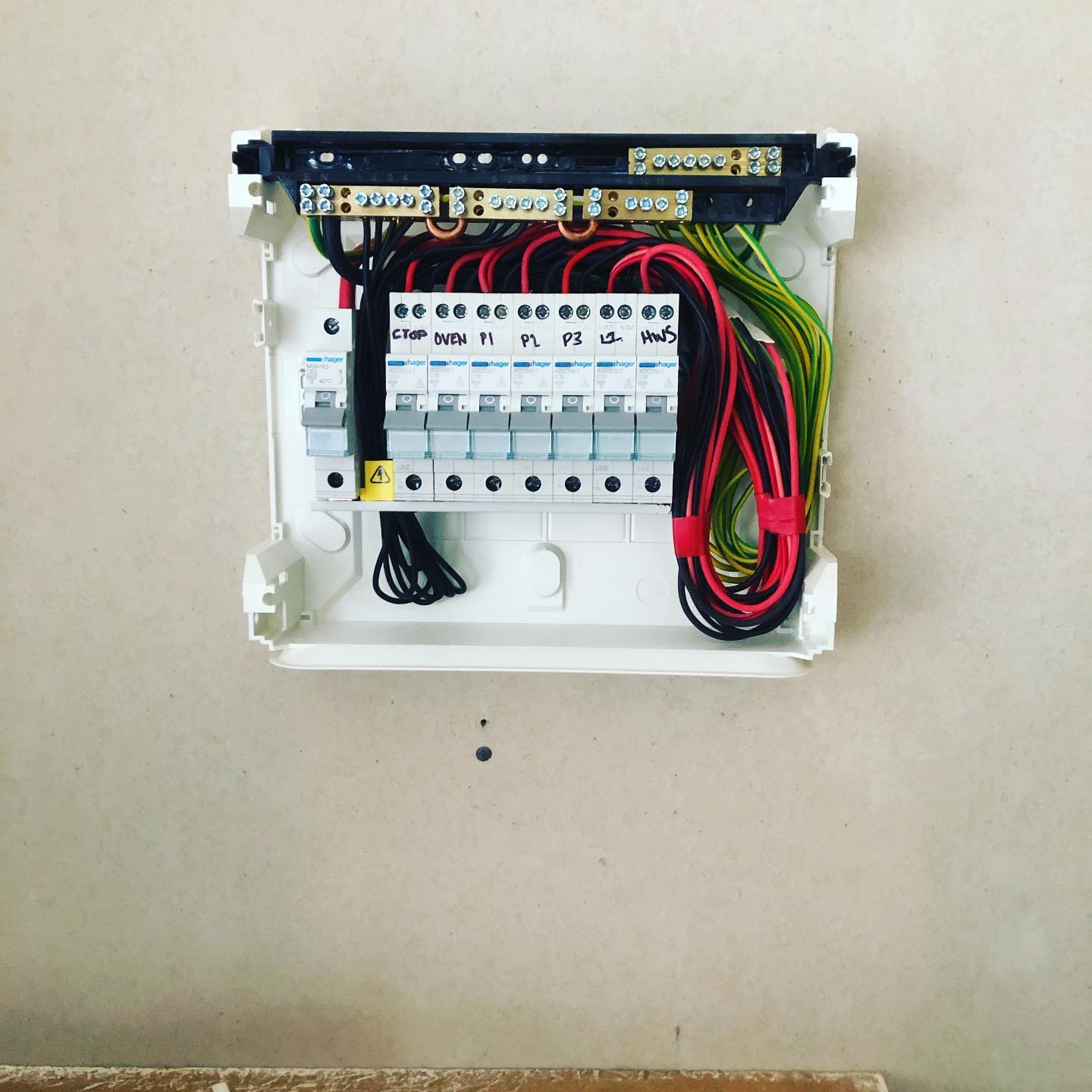
Your switchboard is kind of like the heart of your home’s electrical system. Power comes in from the street, and the switchboard sends it out to your lights, power points, air con, oven-everything. But if that switchboard is old or dodgy, it can’t do its job properly. And that’s when things get risky.
We’re Tim Bradley Electrical. We’ve been upgrading switchboards in Gold Coast for years. We’ve seen some good ones, some bad ones, and some that made us say “wow, that’s scary.” Truth is, heaps of homes have switchboards that are outdated, overloaded, or just plain dangerous.
So this guide is here to help. We’ll tell you the signs your switchboard is struggling. What safety switches are and why you need ’em. How to test them. And when you need to call a licensed electrician. No fluff. Just the good stuff.
A switchboard takes the main power supply coming into your home and divides it into separate circuits. One circuit might run your lights. Another runs your power points. Another runs your oven or air conditioner.
Inside the switchboard, you’ll find a few things:
Each part has a job. And if any of them are old, missing, or faulty, your home isn’t as safe as it should be.
A lot of people get these mixed up. They look similar. They both sit in your switchboard. But they do different things.
Circuit breaker
Safety switch (RCD)
You need both. A circuit breaker might stop a fire. A safety switch might stop your heart from stopping. Different jobs, but both are important.
If you look at your switchboard and see devices with a little ‘T’ or ‘Test’ button, those are safety switches. If you don’t see any test buttons, you probably don’t have any safety switches at all. That’s a problem.
Your switchboard will usually give you a heads up before something bad happens. You just gotta know what to look for. Here are the signs you shouldn’t ignore.
Your switchboard will usually give you a heads up before something bad happens. You just gotta know what to look for. Here are the signs you shouldn’t ignore.
Breakers trip for a reason. If yours keeps tripping, it’s not just “one of those things.” Could be your switchboard is overloaded. Or your wiring can’t handle modern appliances. Or there’s a fault somewhere. Don’t just flick it back on and forget about it. Get it checked.
You turn on the air con or microwave and the lights flicker or go dim? That’s usually voltage instability. Loose connections. Poor load balancing. Or a switchboard that just can’t cope.
This one’s urgent. You smell burning plastic? See black marks around your switchboard? That’s an emergency. Turn off the main switch and call an electrician straight away. That smell could be wires overheating, loose connections, or arcing inside the panel. All of those can start a fire.
Your switchboard should be quiet and cool. Hear buzzing, crackling, or hissing? Something’s wrong. Feel warmth coming off the panel? Another red flag. Both usually mean loose connections or faulty parts.
Still got those old ceramic fuses with the wire inside? That’s seriously outdated. Those were common in homes built before the 1980s. They don’t trip like modern breakers. They don’t have safety switches. And when a fuse blows, some people jam in a bigger fuse or even a nail. That’s a fire waiting to happen.
If your switchboard has no safety switches, your home isn’t protected against electric shock. That’s not just outdated-it’s dangerous. Modern Australian standards require RCD protection on most circuits.
Putting in a new air conditioner, induction cooktop, EV charger, or solar? Your old switchboard might not handle the extra load. A renovation is a good time to upgrade.
If any of this sounds like your place, don’t wait. A switchboard upgrade isn’t just about convenience. It’s about safety.
Yes. One hundred percent yes.
In Queensland, and across Australia, only a licensed electrician can legally work on a switchboard. This is not a DIY job. It’s high‑risk work. You open up that switchboard and start messing around, you could electrocute yourself, start a fire, or fry your appliances. Not worth it. Do I need a licensed electrician for switchboard upgrade is a question we get all the time. The answer is always the same: absolutely.
A licensed electrician will:
DIY electrical work is illegal, dangerous, and can void your home insurance. Don’t risk it. Call a professional.

When you have safety switches fitted, or are replacing your entire switchboard, follow these step by step RCD switch installation process.
If your switchboard doesn’t have RCDs, you’re living with a risk you shouldn’t have to. Here’s what you need to know:
Your current switchboard, your wiring and your usage of power will be checked by a licensed electrician. They’ll work out what needs upgrading and what safety switches you need.
They’ll turn off the main power supply. They might need to coordinate with your energy retailer if the main fuse needs pulling
The old switchboard components-ceramic fuses, old circuit breakers-are removed carefully.
New circuit breakers and safety switches (RCDs) are being installed. There are several circuits in which the modern switchboard has RCDs. The optimal installation is to have RCD protection on every circuit-power point, lighting, oven, air conditioner, pool equipment.
All new safety switches are tested. The electricians apply special equipment to determine the speed of its tripping. It has to trip between 30 and 40 milliseconds as per the Australian Standards.
You’ll receive an Electrical Safety Certificate. Keep this for your records.
An RCD installation guide basically boils down to this: call a licensed electrician, let them do the work, and enjoy peace of mind knowing you’re protected.
Safety switches aren’t “fit and forget.” They need to be tested regularly. And like any device, they can fail over time.
You can do this yourself. It’s easy.
Find the devices in your switchboard with a ‘T’ or ‘Test’ button. Push the button. The switch should flick to the ‘off’ position immediately. Power to that circuit will cut out.
Then push the switch back to ‘on’ to reset it.
Do this every three months. If it doesn’t trip when you push the button, call an electrician. That safety switch is not working properly.
The button test checks the mechanical mechanism. But a professional test measures how fast the RCD trips. That requires special equipment.
A licensed electrician can do a trip time test. They simulate a fault and measure how many milliseconds it takes to cut power. If it’s too slow, the RCD needs replacing.
Most electricians recommend a professional test every two years.
Even if your safety switch passes the button test, it might still be failing. Here are some RCD testing/replacement signs to watch for:
If any of these apply, call a licensed electrician. A faulty safety switch gives you false security. It’s better to replace it than to hope it works when you need it.
Queensland has clear rules about safety switches.
These laws exist for a reason. People have died from electric shock. Safety switches save lives.
Even if your home isn’t legally required to have them, it’s a good idea to get them installed. Your family’s safety is worth it.
Every three months. Just push the ‘Test’ button. If nothing happens, give us a call.
Yeah, absolutely. A switchboard can only be touched by a licensed sparky. Do It Yourself is unsafe and illegal.
Repeatedly falling over, flickering lights, burning odors, buzzing, a warm panel, ancient ceramic fuses, or none whatever.
When it trips without cause, does not trip when tested, feels loose, is over 10 years old or appears burnt or damaged.
No way. That is something that can only be done by a licensed electrician. Home electrical work is unlawful and unsafe.
Usually about a day. Sometimes less. A sparky can tell you more once they’ve seen your place.
Your switchboard isn’t something to ignore until something breaks. By then, it might be too late.
Flickering lights, frequent tripping, burning smells-these aren’t just annoyances. They’re warnings. Listen to them.
If your switchboard has old ceramic fuses, no safety switches, or any of the warning signs we’ve talked about, don’t put it off. Call a licensed electrician. Get it upgraded. Get it tested.
Are you relying on an extension cord to power your shed?
You’re sweating through another Gold Coast summer. Or maybe you’re dreading the thought of it.

April 30th is the date. Ausgrid’s new safety rules kick in.

Your switchboard is kind of like the heart of your home’s electrical system.