When Was the Last Time Your Electrical Protection System Was Professionally Tested?

Switchboard upgrades

When did you last look at your switchboard? Not just glance at it. Actually think about whether the safety switches inside would work if something went wrong.

Most people cannot remember. And that is fair enough. Life is busy. You do not wake up thinking about RCDs and trip times.

But here is the thing. Those little switches with the T on them are the only thing standing between your family and a serious electrical accident. They sit there quietly, year after year, waiting for a fault to happen. When it does, they have milliseconds to react. If they are tired, or faulty, or just old, they might not react at all.

Up here on the Gold Coast, we have our own challenges. Salt air from the ocean. Humidity that never really goes away. Storm season that puts stress on everything. Your electrical protection system takes a beating without you ever knowing.

So let us talk about what needs testing, how often, and why it matters. No jargon. Just the stuff you need to know.

What Are We Even Talking About?

First, let us get on the same page.

Your electrical protection system is not just the breakers that trip when you run the kettle and the toaster at once. That is overload protection. Important, but different.

The real lifesavers are called RCDs. Residual Current Devices. Safety switches. The ones with the T button you are supposed to press every three months.

These things monitor the electricity flowing through your wires. If even a tiny bit leaks out somewhere it should not, like through a person standing in water, the RCD cuts power in milliseconds. Fast enough to stop your heart from going into a bad rhythm.

Without them, a small fault can kill. With them, you walk away.

But here is the catch. They need to work properly. And the only way to know that is testing.

The Two Types of Testing

There is the button test you can do yourself. And then there is the proper professional test that measures whether your RCD is actually fast enough.

You should do this yourself every three months. If it does not trip when you press it, call a sparky immediately.

If it takes longer, or does not trip at all, it fails. That RCD needs replacing before it is safe again.

What the Law Says on the Gold Coast

Queensland has rules about this. For good reason.

In workplaces, RCDs must be tested regularly. The Queensland Electrical Safety Regulation says a push-button test should be done every time before using RCDs on construction and demolition sites. For other workplaces, it is every six months.

The full timing test, the one with the special equipment, needs to be done by a licensed electrician at least every 12 months.

For homes? Not legally required the same way. But smart homeowners do it anyway. Because safety does not care whether the law makes you or not.

Why the Gold Coast Makes It Worse

Living where we do adds extra stress to electrical systems.

That salt air from the ocean? It gets into everything. Corrodes connections. Eats away at metal. Makes components fail faster than they would inland.

The humidity? Moisture in the air means moisture in switchboards. Moisture and electricity do not mix.

Storm season brings power surges. Lightning strikes nearby send spikes through the system. All of it wears down your protection gear over time.

A safety switch that worked perfectly five years ago might be slow and tired now. You would never know until it fails when you need it most.

What Gets Tested

A proper professional test does not just look at the RCD itself.

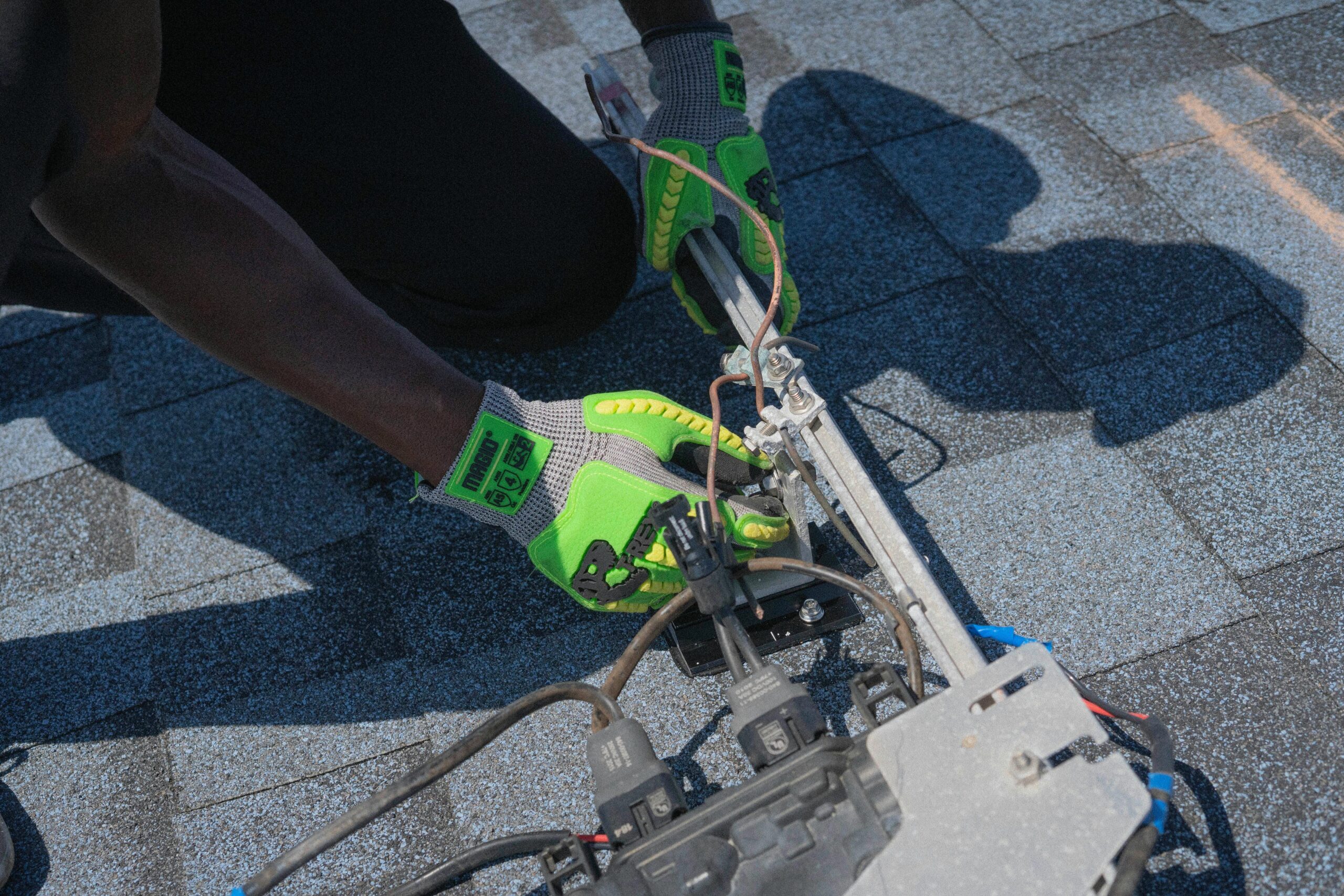
They check the switchboard. Look for signs of overheating. Burnt terminals. Loose connections. Rust. All the things that cause problems before the RCD ever gets involved.

They test each RCD individually. Time how fast it trips. Compare to the standard.

They check your earthing. If the earth stake is corroded or disconnected, the RCD cannot do its job properly.

They give you a report. Certificate of Compliance. Proof that your system was tested and passed .

Some places also offer thermal imaging. That fancy camera that shows hot spots in your switchboard before they become fires. Worth asking about.

Signs Your System Might Be Struggling

Before we get to testing, here is what to watch for yourself.

RCDs that trip for no reason. Not when you use something, just randomly. That can mean the device is faulty.

RCDs that do not trip when you press the test button. That means they are dead. Call someone.

A burning smell near the switchboard. That fishy plastic smell. Something is overheating inside.

Flickering lights that are not just the bulb. Loose connections somewhere.

Powerpoints that feel warm. Should be room temperature. Warm means trouble.

If you notice any of these, do not wait for a scheduled test. Call a sparky now.

How Often Should You Test?

For homes, here is a simple plan.

Press the test button on each safety switch every three months. If it trips, good. Reset it. If it does not, call for help.

Get a professional test every two years. Or every year if your home is older, or if you live close to the beach where salt air is worse.

For rental properties, landlords have extra responsibility. Queensland tenancy laws require electrical safety checks. Make sure your property manager is on top of it.

For businesses, follow the workplace rules. Six months for push-button, twelve months for full timing test. Keep records. They matter for insurance.

What Happens If You Ignore It

Here is the truth.

If your RCD fails when a fault happens, someone gets hurt. Maybe killed. That is the worst case.

But even if nobody gets hurt, you have other problems.

Insurance companies ask questions after a fire. If they find your safety switches were not tested, not maintained, not working, they can deny your claim. You pay for everything yourself.

If you are a landlord and a tenant gets hurt, you are liable. Fines. Lawsuits. Bad news all around.

Testing is cheap. A couple of hundred dollars every year or two. Compared to the alternatives, it is nothing.

FAQs

Circuit breaker protects wires from overheating. Stops fires. RCD protects people from getting shocked. Stops death. You need both.

Press the T button. It should click to off. Power cuts. Push it back on. If it does not trip, call an electrician. Do this every three months.

Every 12 months for the full timing test in workplaces. Every two years for homes is reasonable. More often if you are near the ocean.

Expect $150 to $400 depending on how many RCDs and the size of your property. Some companies bundle it with test and tag services.

The button test, yes. The timing test, no. That needs special equipment only licensed electricians have.

It needs replacing. A sparky can swap it out. Usually quick and not too expensive. Then they retest to make sure the new one works.

Yes. Landlords must ensure electrical safety. Regular testing is part of that. Inspections at lease start and periodically are required.

Possibly. Could be the RCD itself. Could be something on the circuit leaking current. Either way, get it checked. Do not just keep resetting it.

Thermal imaging uses a camera to see hot spots in your switchboard. Finds loose connections before they fail. Not essential but a good extra check.

Wait, we are talking Gold Coast here. Look for local sparkies with good reviews. Ask if they do RCD testing and have the right gear. Check they are licensed. A good electrician Gold Coast locals trust will give you a certificate and explain what they found.

The Bottom Line

Your safety switches are the only thing between your family and a serious electrical accident. They sit there for years, never making a sound, never asking for attention. It is easy to forget they exist.

The problem is, they get old. They get tired. Salt air gets to them. Surges wear them down. And one day, when a fault happens, they might not react fast enough.

That day is not the time to find out.

Press your test buttons today. If you cannot remember the last time a sparky did a proper timing test, book one in. It costs a bit. It takes an hour. And then you know.

If you’d like peace of mind, get in touch with Tim Bradley Electrical and organise a proper check. Knowing your family is protected is worth it.

Recent Post