Home Electrical Safety Guide for Australian Homes: Risks, Safety Tips & Upgrades
Most house fires and electrical accidents in Australian homes can be prevented. The problem is, many people simply don’t know what to look for.
Planning a shed fit out in Australia? If you’re converting it into a workshop, home office, man cave, or creative studio, getting the electrical fit out right is essential. A well planned shed doesn’t just look good, it works smart, stays safe, and keeps everything running smoothly.
In this guide, we’ll walk you through exactly what to include in your shed fit out electrical checklist, from lighting and outlets to fans, switchboards, and even smoke alarms.
You might be thinking — “Do I really need all this electrical work? Can’t I just plug in an extension cord and call it a day?”
It’s a common thought, especially when the shed seems like a simple space. But the truth is, proper electrical planning is key to making your shed safe, functional, and future-proof.
Too often, shed fit outs are done without a second thought for future electrical needs — until it’s too late. But with the right planning, your shed can become just as functional and safe as any room in your home.
Whether you need to power tools, charge devices, or simply light the space properly, these components must be installed correctly and up to Australian standards.
FYI: Under Australian law, all permanent electrical work — even in sheds — must be carried out by a licensed electrician. DIY wiring can lead to fines up to $22,000 in NSW — not to mention serious safety risks to your family and property.
Before you start ticking items off your checklist, there’s one crucial factor most homeowners overlook: electrical load and cable distance.
Running power to a shed isn’t as simple as extending a line from the house. The distance between your home’s main switchboard and the shed directly impacts cable sizing, voltage drop, and overall safety. If the cable gauge is too small for the load or distance, you may experience flickering lights, overheating conductors, or nuisance breaker trips especially when high powered tools or air conditioning units are running.
Voltage drop becomes more significant in detached sheds that sit further from the house. Australian Standards set limits on acceptable voltage drop, and exceeding those limits can damage sensitive equipment like computers, chargers, and electronic tools.
Another critical consideration is load calculation.
Ask yourself:
• Will you run multiple power tools at once?
• Are you installing a split system air conditioner?
• Will the shed operate as a home office with computers, printers, and networking gear?
• Is there potential for future additions such as EV charging or pool equipment?
A properly designed shed fit out should include a realistic load assessment. This determines whether your existing main switchboard can handle the additional demand or if a dedicated sub-board is required in the shed.
A sub-board offers several advantages:
• Independent circuit control
• Easier fault isolation
• Capacity for future expansion
• Improved safety management
In many Gold Coast properties, especially older homes built before the 2000s, the original switchboards were never designed to support modern electrical loads. Adding a fully powered shed without upgrading infrastructure can place long-term stress on the system.
Storm season is another regional factor. Surge protection installed at the main board — and sometimes at the shed sub-board, can prevent lightning-related damage to tools, computers, and smart equipment. Queensland’s storm activity makes this a smart addition rather than an optional extra.
The goal isn’t just to power your shed today. It’s to build an electrical system that remains stable, compliant, and adaptable for the next 10–20 years.
A licensed electrician will assess:
• Cable sizing
• Circuit protection
• Earthing requirements
• RCD coverage
• Surge protection
• Future capacity
Getting this stage right makes everything else on your checklist function properly and safely.
Here’s a comprehensive list of what you should consider before calling in an electrician.
Proper lighting is essential for any shed, not just for safety, but for comfort and efficiency too.
Key lighting options:
Related service: Lighting Installation – Choose energy efficient and properly positioned lighting options for your needs.
Fast fact: Installing LED lighting in your shed can reduce energy usage by up to 80% compared to traditional incandescent lights, great for your power bill and the environment!
You’ll need enough General Power Outlets (GPOs) to avoid power boards or unsafe extensions. Plan the layout of your tools, equipment, or furniture, and install outlets accordingly.
Consider:
Australian sheds can get hot and stuffy, especially in summer. Installing fans helps circulate air and keep the space usable year-round.
Fan options:
Your shed might need a separate switchboard or a dedicated sub-board, especially if it’s running high-powered tools or appliances.
Why it matters:
Safety is just as important in a shed as it is in your home. If your shed is being used regularly, especially as a living or working space, installing smoke alarms is a must.
Safety essentials:
Related service: Smoke Alarm Installation – Protect your shed space with compliant and professionally installed alarms.
Do’s | Don’ts |
✅ Hire a licensed electrician | ❌ Don’t use power boards as a permanent solution |
✅ Install proper lighting for safety & comfort | ❌ Don’t overload one single power outlet |
✅ Include safety devices like RCDs & alarms | ❌ Don’t ignore ventilation and heat issues |
✅ Plan for future electrical needs (e.g., extra GPOs or tools) | ❌ Don’t use DIY wiring — it’s illegal and unsafe |
✅ Use weatherproof gear for outdoor or exposed areas | ❌ Don’t install fans or lights too close to combustible items |
✅ Label your switchboard circuits clearly | ❌ Don’t forget to test smoke alarms regularly |
✅ Schedule regular inspections or test RCDs monthly | ❌ Don’t assume shed power can come from an extension cord |
In most Australian areas, minor electrical work like lighting and power points in a shed doesn’t require council approval, but you must use a licensed electrician. For more complex setups or if converting to a habitable space, check with your local council.
No — this is not safe or compliant. Power must be run through underground cabling, protected conduits, and connected via a certified switchboard.
For general use, go with LED batten lights. For workspaces, task lighting is ideal. Consider motion sensor lighting for external security.
Not always. If your shed is used for light use (like storage or occasional power), it can run off your home’s main switchboard. But for workshops or offices, a dedicated sub-board is safer and future-proof.
If you’re using the shed as an office, gym, studio, or workspace, yes — smoke alarms are strongly recommended, and in some cases legally required, especially if electrical wiring is installed.
Need help with your shed’s electrical fit out?
Reach out to Tim Bradley today for professional lighting installation, switchboard upgrades, outlet placements, and more — all done to Australian safety standards.
Most house fires and electrical accidents in Australian homes can be prevented. The problem is, many people simply don’t know what to look for.
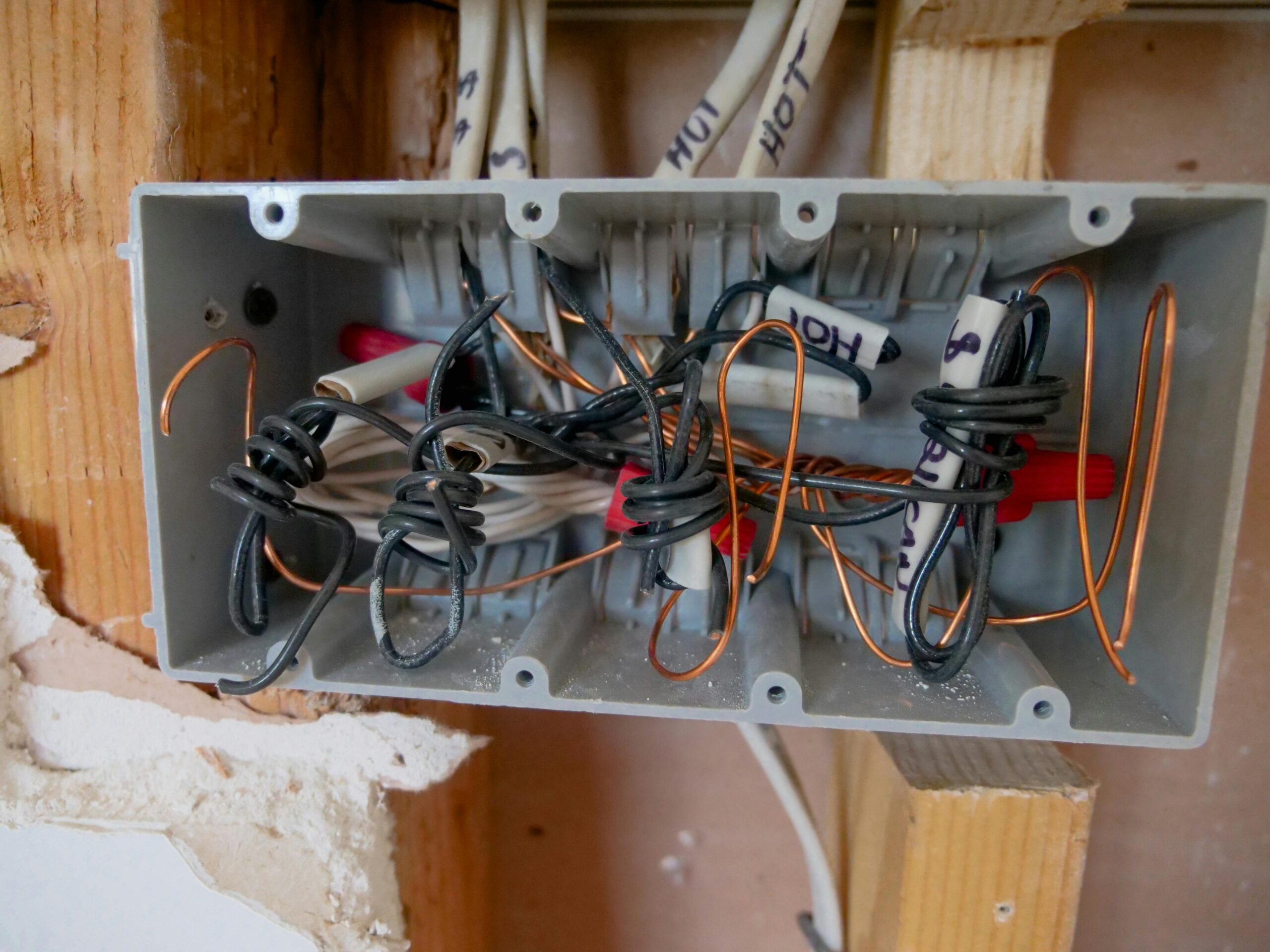
You have that old switchboard of yours? The one you have to pass all the time and never read? The old man behind the door in the laundry, or hiding in the cupboard of the hall behind the vacuum cleaner?
When did you last look at your switchboard? Not just glance at it. Actually think about whether the safety switches inside would work if something went wrong.
Storm season on the Gold Coast can arrive fast. One moment the sky is clear, and the next it turns dark and still.