
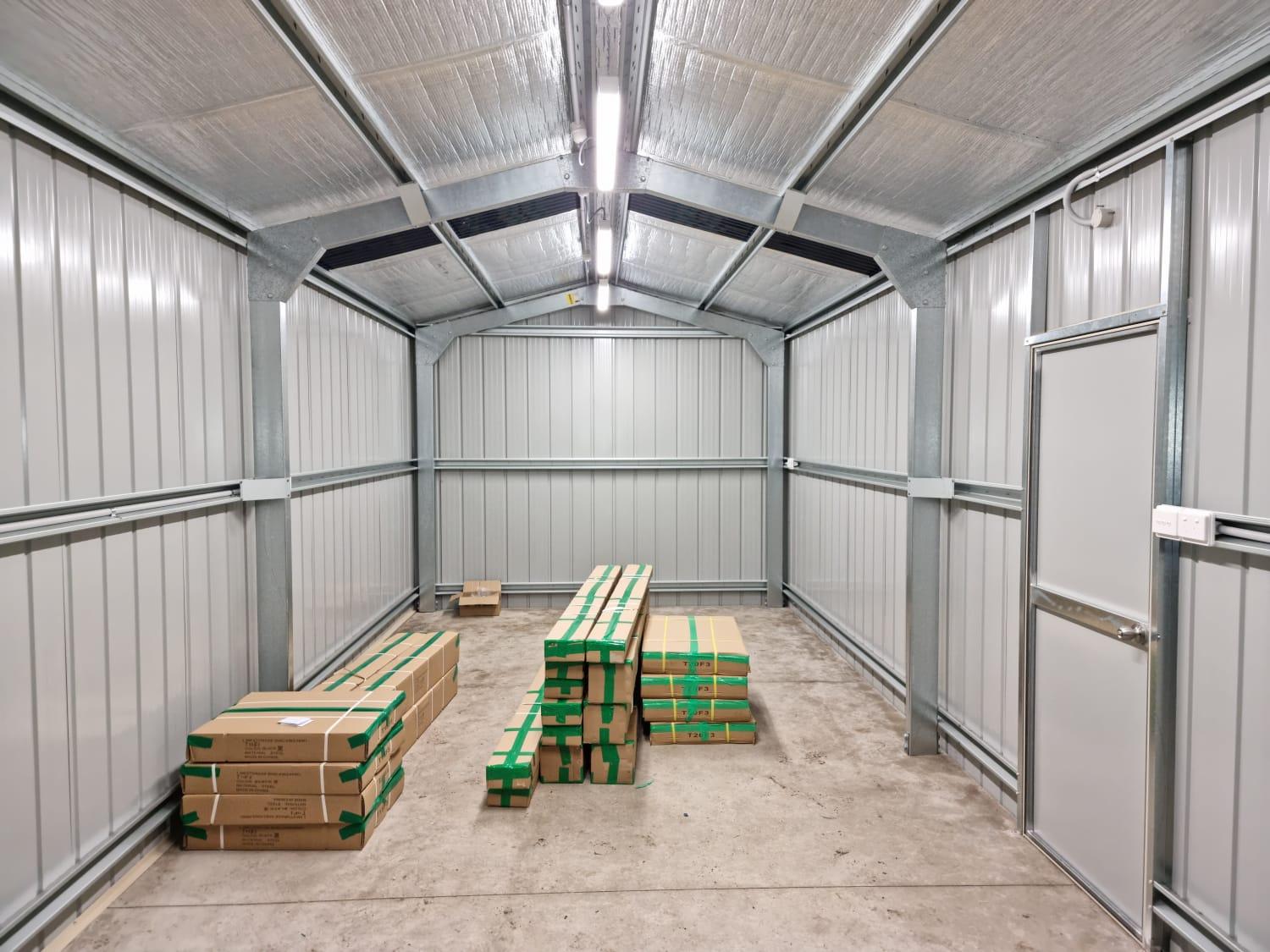
Why Every Gold Coast Shed Needs More Than an Extension Cord
Are you relying on an extension cord to power your shed?
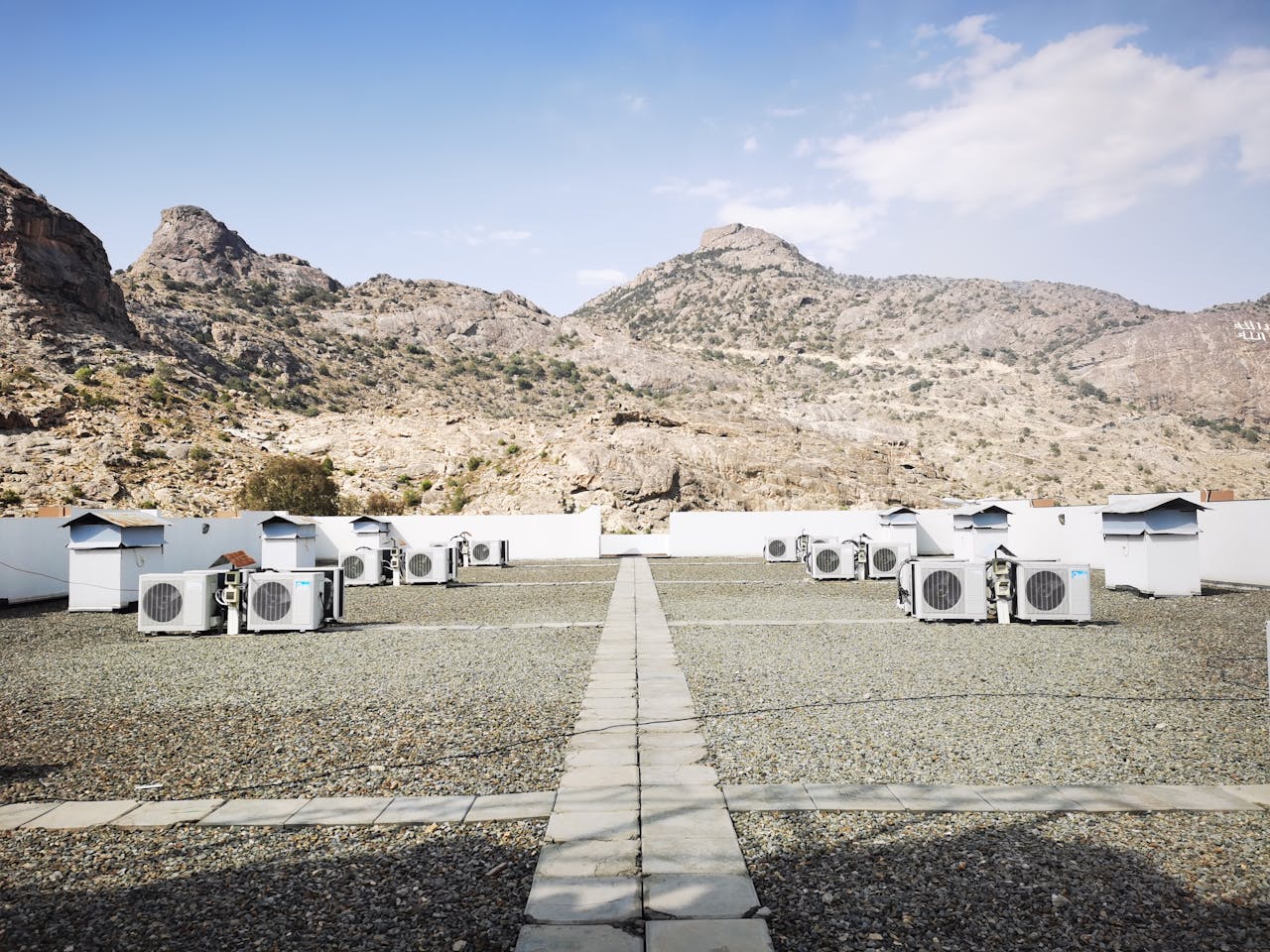
You’re sweating through another Gold Coast summer. Or maybe you’re dreading the thought of it. You know you need air conditioning but walking into a showroom feels like learning a new language. Split systems & ducted air-con, reverse cycle, inverters… where do you even start?
Let’s cut through the noise.
Picking the right system isn’t rocket science. But if you get it wrong too small, too big, wrong type you’ll be stuck with high power bills, a clammy house, or a unit that dies after five years.
This guide walks you through everything. The types of systems. How to size them properly. What installation actually involves. And the questions you need to ask before spending a dollar.
We’ve been helping Gold Coast and Brisbane homeowners with this exact decision for years. You don’t need to be an expert. You just need a clear plan.
Let’s start with the basics. There are three common setups in Australian homes. Each has its place.
This is the classic white box on your wall. An indoor unit mounted up high, connected by pipes to an outdoor compressor sitting on the ground outside.
Best for: Cooling a single room, your living area, a bedroom, a home office. Perfect if you’re renovating one room at a time or living in a unit.
The good: Cheapest option to buy and install. Efficient for small spaces. Plenty of brands and sizes to choose from.
The not‑so‑good: You need one unit for every room you want to cool. That means multiple outdoor compressors around your house. And the indoor units are, well, they’re white boxes on your wall. Some people don’t love the look.
One powerful outdoor compressor connects to two, three, or even five indoor units in different rooms. Each indoor unit runs independently.
Best for: Families who want to cool multiple bedrooms or specific zones without paying for a full ducted system.
The good: More affordable than ducted. Only one outdoor unit is tidier than multiple singles. You can control each room separately.
The not‑so‑good: You still have indoor units on the walls. And if that single outdoor unit fails, all your indoor units stop working at once.
One central unit (usually hidden in your roof) feeds cool air through ducts to vents in every room. You control the whole house from a single panel often with multiple zones so you can turn off empty rooms.
Best for: Larger homes, open‑plan living, or anyone who wants whole‑house comfort without seeing units on every wall.
The good: Invisible. Quiet. The gold standard for comfort. Adds value to your home.
The not‑so‑good: Higher upfront cost. Installation is more invasive; your roof space needs to be accessible. Not every house is suited for it.
Want a deeper dive into these options? We’ve written a full guide on choosing the right air conditioning system for your home, including real‑world examples for different house types.

This is the mistake we see most often. People think: “I’ll buy a bigger unit – it’ll cool faster.”
Wrong.
An undersized unit runs constantly, never reaches the temperature, and burns through electricity trying. It will die young.
An oversized unit? It cools the room too quickly, shuts off, then starts again five minutes later. It never runs long enough to pull humidity out of the air. Your home ends up cold and clammy, a perfect recipe for mould.
You need the right size.
In Australia, air conditioner capacity is measured in kilowatts (kW). A small bedroom might need 2.5kW. A large open‑plan living area could need 7kW or more.
A good installer will measure your room size, ceiling height, insulation, window placement, and even which direction your house faces. They’ll calculate the load properly.
Never trust a quote that doesn’t include a site assessment. Anyone who guesses is guessing with your money.
When you compare systems, you’ll see a label with stars. But there’s a catch, it’s not the old 1‑to‑6 star label anymore.
Since 2020, Australia has used the Zoned Energy Rating Label (ZERL) for air conditioners. It shows you how efficient the unit is in three different climate zones: hot, average, and cold.
Gold Coast falls into the “hot” zone. So you want to look at the star rating for hot climates that’s the one that matters for your power bills.
More stars mean lower running costs. A 7‑star unit will cost significantly less to run than a 3‑star unit, year after year.
The label also shows estimated annual energy consumption in kilowatt‑hours. Multiply that by your electricity rate, and you’ll get a rough idea of yearly running costs.
Don’t skip this step. A cheap unit with low stars will cost you more in power bills than the price difference within two or three years.
Most systems sold in Australia today are reverse cycle. That means they do both cooling and heating.
In winter, they run the refrigeration cycle backwards pulling heat from the outside air and pumping it inside. Even on a cold Gold Coast winter night, there’s enough heat in the air to make it work.
Why does this matter? Because a reverse cycle unit is roughly 300‑600% efficient. For every kilowatt of electricity it uses, it produces three to six kilowatts of heat. Compare that to a bar heater, which is 100% efficient at best.
The price difference between a cooling‑only unit and a reverse cycle unit is usually $200‑$500. That difference pays for itself in the first winter.
Unless you live somewhere that never gets cold, which on the Gold Coast, isn’t true, get a reverse cycle.
Now that you understand the basics, here’s how to actually make a decision.
Do you close bedroom doors during the day? Do you spend most of your time in the living area? Does the afternoon sun bake your western wall?
Make notes. A good installer will ask you these questions.
Split systems for a single room $1,500 to $5,000 fully installed. Multi‑head for three rooms $5,000 to $10,000. Ducted for an average home $8,000 to $16,000, sometimes more for complex layouts.
These are ballpark figures for the Gold Coast. Your actual cost depends on your house, your switchboard, and how far the outdoor unit needs to be from the indoor unit.
Here’s something nobody mentions until it’s too late. If your switchboard is old – think ceramic fuses or no safety switches you might need an upgrade before installing a new air conditioner. Modern units draw a lot of power and need proper protection.
We check this on every site visit. No surprises.
Don’t just pick the cheapest. Listen to how they talk. Do they ask questions about your home? Do they explain things clearly? Do they mention the switchboard check?
Avoid anyone who quotes over the phone without seeing your house.
Look at the brand, the warranty, the installer’s reputation, and the estimated running cost. A $500 saving upfront isn’t a saving if the unit costs twice as much to run.
You’ve picked your system. You’ve signed the quote. Now what?
Here’s a realistic air conditioning installation guide for a typical split system.
The installer arrives, confirms the indoor and outdoor unit locations, checks your switchboard, and ensures there’s clear access to your roof space if needed.
If your switchboard needs work, they might do that first or arrange a separate visit.
The outdoor unit gets mounted on a concrete pad or wall brackets. Must be level, stable, and within pipe length limits of the indoor unit.
The indoor unit is mounted on your wall. Holes are drilled through the wall for pipes, wiring, and condensate drain.
Refrigerant pipes and electrical cables run between the units. The installer vacuums the pipework to remove moisture and air, a critical step. Any moisture left in the pipes will damage the compressor.
The system is wired to your switchboard on a dedicated circuit. If your old switchboard couldn’t handle the load, this is where the upgrade pays off.
The system is wired to your switchboard on a dedicated circuit. If your old switchboard couldn’t handle the load, this is where the upgrade pays off.
The installer runs the system, checks temperatures, and shows you how to use the remote. They’ll also explain basic maintenance; cleaning filters, what to listen for, when to call for service.
For ducted systems, the process is bigger. The central unit goes in your roof space. Ducts are run to each room. Ceiling vents are installed. The controller is wired in. Takes several days and is more invasive but the result is invisible cooling throughout your home.
This part saves headaches. Before anyone starts installing, run through this list.
Does your switchboard have enough spare capacity? Is it modern with safety switches (RCDs)? If not, budget for an upgrade. We’ve seen too many installations delayed because the switchboard couldn’t handle the new load.
Where will the unit go? High on a wall, usually centered in the room. Make sure nothing blocks the airflow curtains, tall furniture, shelves.
The outdoor unit needs space around it for airflow. At least 300mm from walls, 1500mm clearance above. Not too close to bedrooms you’ll hear it running. Not in full afternoon sun if you can avoid it, it works harder when it’s hot.
How will the pipes get from the indoor unit to the outdoor unit? Through a wall? Up into the roof space? Around the corner of your house? Easy pipe runs cost less. Complicated ones through tiles, across two storeys, cost more.
Air conditioners produce water. Lots of it on humid days. Where will it drain? To a garden bed, downpipe, or stormwater? It needs a clear path.
Most split systems don’t need approval. Ducted systems sometimes do, especially in apartments or heritage areas. Your installer should know the rules.
The installers need to get tools and equipment to your house. A ladder might need to go up the side. Maybe a skip bin for old gear. Think about access.
Air conditioning installation is not a DIY job. It’s not just about bolting a box to the wall.
A licensed electrician is legally required to connect the electrical side. But beyond the law, proper installation means:
Cut corners and you’ll get:
We’ve seen brand new systems fail within months because the installer rushed, skipped the vacuum step, or used undersized cables. Don’t risk it.
Every home is different. But here are rough ranges to help you budget.
Split system installation (single room)
Multi‑head split system
Ducted air conditioning
Additional costs to watch for
These are ballpark figures as of 2026. Get a fixed quote before any work starts.
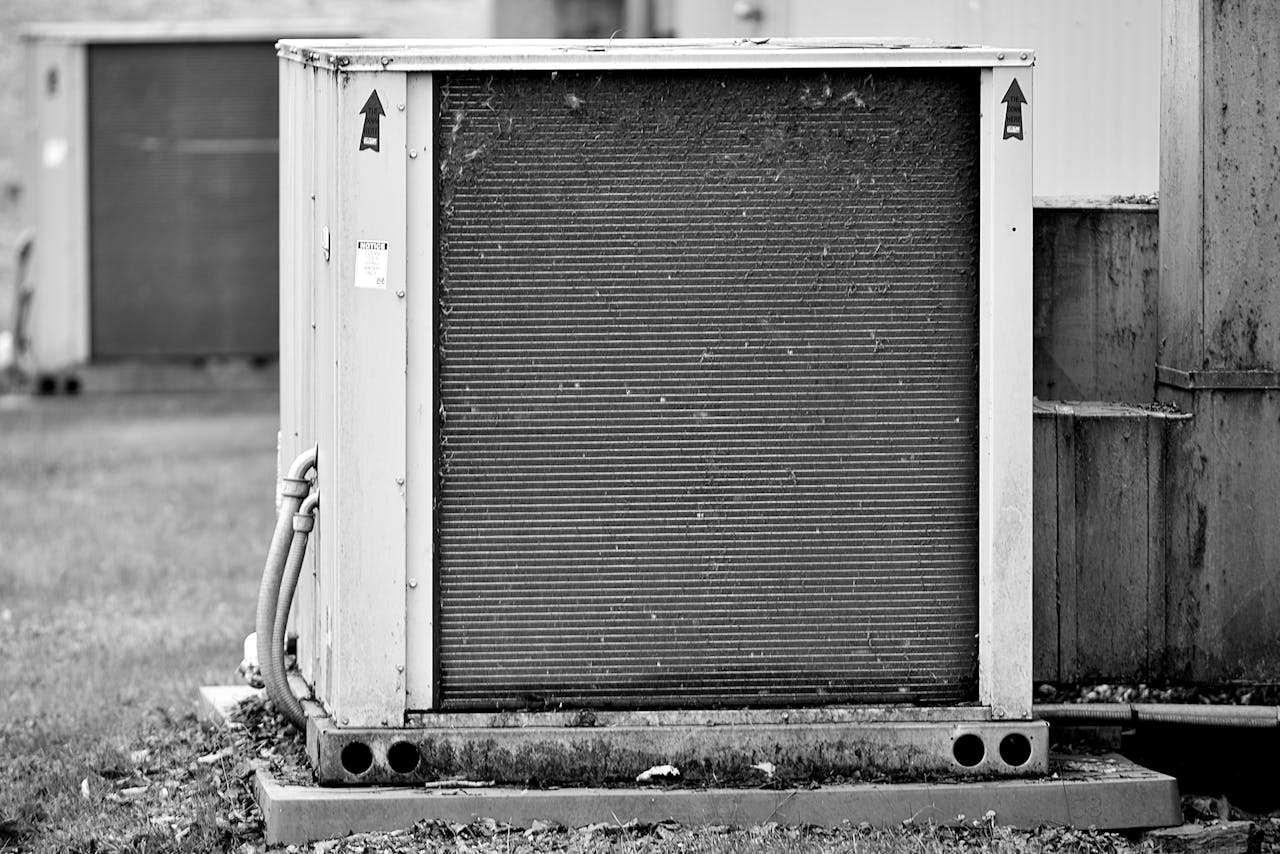
A well‑maintained air conditioner can easily last 15 years. A neglected one might die at 8.
What you can do:
What a pro does yearly:
We offer annual service plans. A $200 service call now saves a $2,000 repair later.
A professional calculates based on room size, ceiling height, insulation, windows, and orientation. As a rough guide: a small bedroom (up to 20m²) needs 2.5kW. The living area (30‑40m²) needs 5‑6kW. But don’t guess, get a site assessment.
If you’re leaving for more than an hour, turn it off. Running it constantly wastes power. Modern inverters ramp up and down efficiently, but they’re not magic.
If the house was built before 1990 and the board has a black panel inside, it is likely asbestos. Do not poke it. Get a sparky who knows how to handle it.
Inverter units vary their compressor speed to match the cooling demand. Non‑inverter units are either full on or full off. The inverter is quieter, more efficient, and keeps temperature steady. Worth the extra cost.
No. It’s illegal for anyone without a licence to do electrical work. Also, manufacturers require professional installation for warranty. And you could seriously hurt yourself or damage your home.
Split system: half a day to a full day. Multi‑head: one to two days. Ducted: two to four days, depending on the house. Your installer should give you a clear timeline upfront.
Usually mould or bacteria growing on the indoor coil. Happens in humid climates. A professional clean and treatment fixes it. Running the fan for 15 minutes after cooling helps prevent it.
If you want whole‑home comfort and don’t want visible units on every wall, yes. It adds value to your home. But it’s not for every budget or every house type. Talk to a local installer about your specific situation.
You’ve done the reading. You understand the options. Now you need someone local who won’t mess around.
We’ve been installing air conditioning across the Gold Coast and Brisbane for years. We do split systems, multi‑head, ducted all of it. We check your switchboard before we quote. We show up when we say we will. We clean up after ourselves.
And we’re happy to answer questions even if you don’t end up using us. That’s just how we work.
Give us a call. Let’s talk about what your home actually needs.
Tim Bradley Electrical – Your local Gold Coast electricians for air conditioning installation, switchboard upgrades, and everything electrical.
Are you relying on an extension cord to power your shed?
You’re sweating through another Gold Coast summer. Or maybe you’re dreading the thought of it.

April 30th is the date. Ausgrid’s new safety rules kick in.

Your switchboard is kind of like the heart of your home’s electrical system.